

How professional security services reduce risk and save costs
December 17, 2025
What are the top 3 responsibilities of a security guard?
February 23, 2026
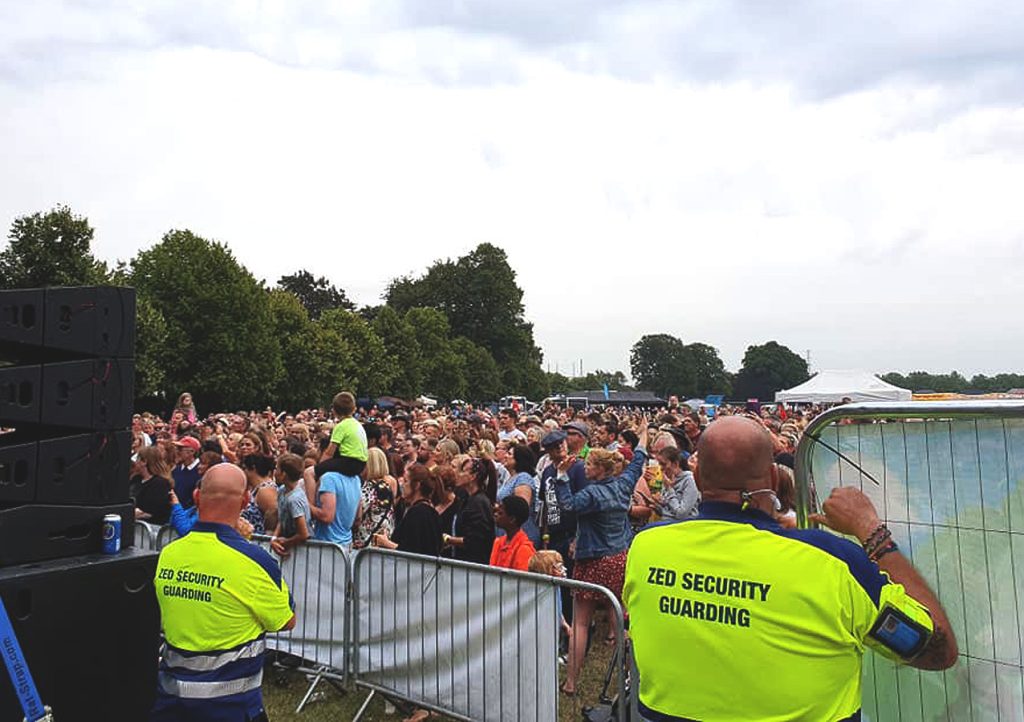
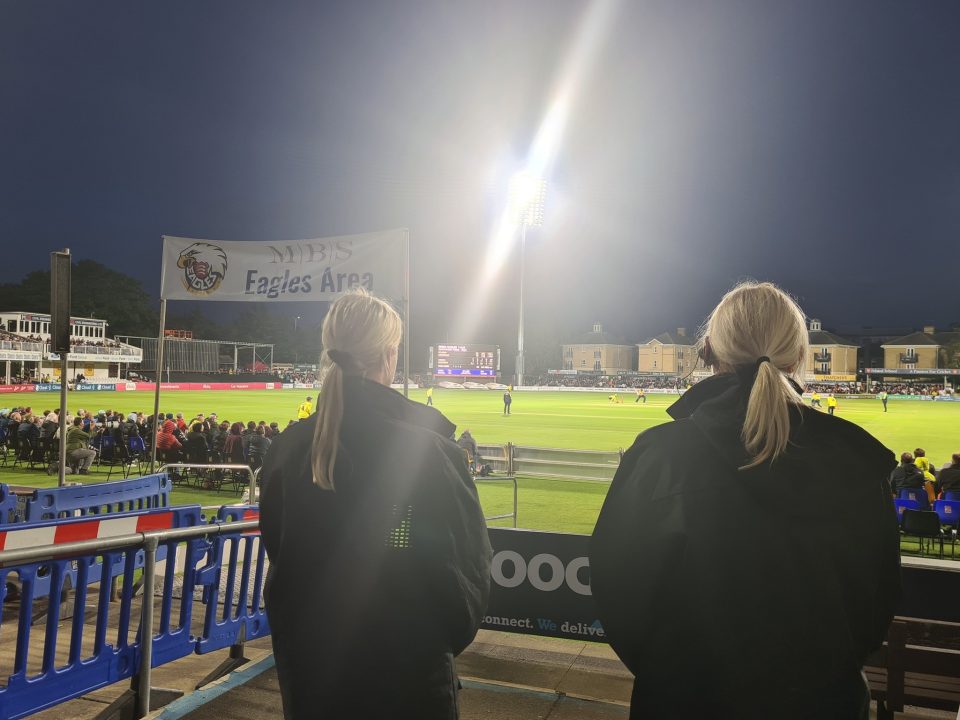
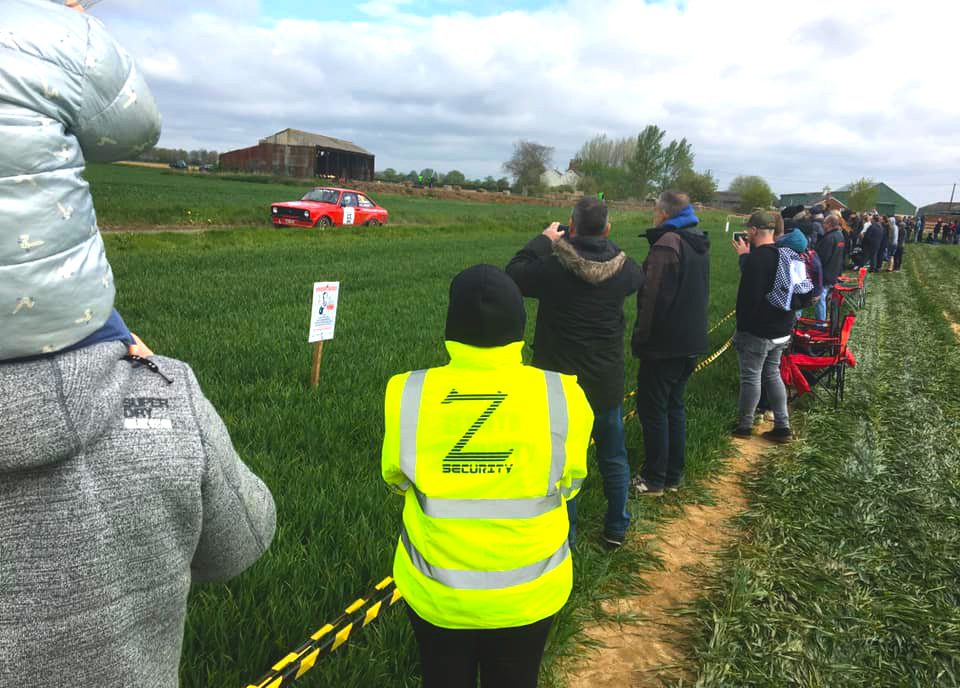
From music festivals and conferences to sporting events and private functions, large gatherings bring excitement, energy and opportunity. But they also bring risk. Managing crowds, protecting attendees and preparing for emergencies require careful planning and professional oversight. This is where event security plays a critical role. Event security is not just about having guards at the entrance, it’s about creating a safe, controlled environment where guests enjoy the experience and stay safe.
Crowd management and access control
One of the most important roles of event security is managing crowd flow and controlling access points. Events often involve hundreds or even thousands of people entering and exiting a venue within a short period of time. Without proper planning, this can lead to congestion, confusion and even dangerous situations.
Security teams are responsible for checking tickets or credentials, screening bags and ensuring only authorised individuals access restricted areas such as backstage sections or VIP zones. Beyond entry points, event security professionals monitor crowd density throughout the venue. They help prevent overcrowding, manage queues and redirect foot traffic to reduce bottlenecks. Effective crowd management reduces the risk of accidents or altercations and ensuring a smooth and enjoyable experience for everyone attending.
Risk prevention and emergency response
Another key role of event security is identifying potential risks before they escalate into serious problems. This involves conducting pre-event risk assessments, reviewing venue layouts, identifying emergency exits and developing contingency plans.
Security personnel are trained to detect suspicious behaviour, respond to disturbances and handle medical emergencies. If an incident occurs security teams act quickly to co-ordinate evacuation procedures and communicate with emergency services.
Being prepared for any situation is especially critical at high-profile events like the FA Cup where national attention and large crowds increase the stakes. In these environments, security teams work closely with other agencies and event organisers to ensure there is a rapid response and clear communication. By maintaining constant vigilance, event security helps prevent minor issues from escalating while remaining ready to act decisively when necessary.
Protecting people, property, and reputation
Event security is also responsible for protecting physical assets and safeguarding the reputation of event organisers. Equipment, merchandise, staging areas and private spaces must be secured against theft, vandalism or unauthorised access.
Equally important is protecting attendees, performers and staff. Security teams may provide close protection for VIP guests, manage backstage security and monitor interactions between the public and performers. Their presence not only deters criminal activity but also reassures guests their safety is a priority.
A well-managed security operation enhances the overall event experience. Guests are more relaxed and engaged when they feel safe. On the other hand, visible disorganisation or poor security planning can damage an event’s credibility and future success.
The role of event security extends far beyond standing at the gate. It involves strategic planning, proactive risk management, crowd control, emergency preparedness and public interaction. By balancing vigilance with professionalism, event security teams create environments where people can celebrate, connect and have fun. In many ways, their success is measured by what doesn’t happen because when event security is done right, safety becomes seamless and the focus remains on the event itself.
Zed Security and Guarding has decades of experience in keeping the public safe. Contact us to learn how we can help you on 01206 481681 or out of hours on 07424 291521